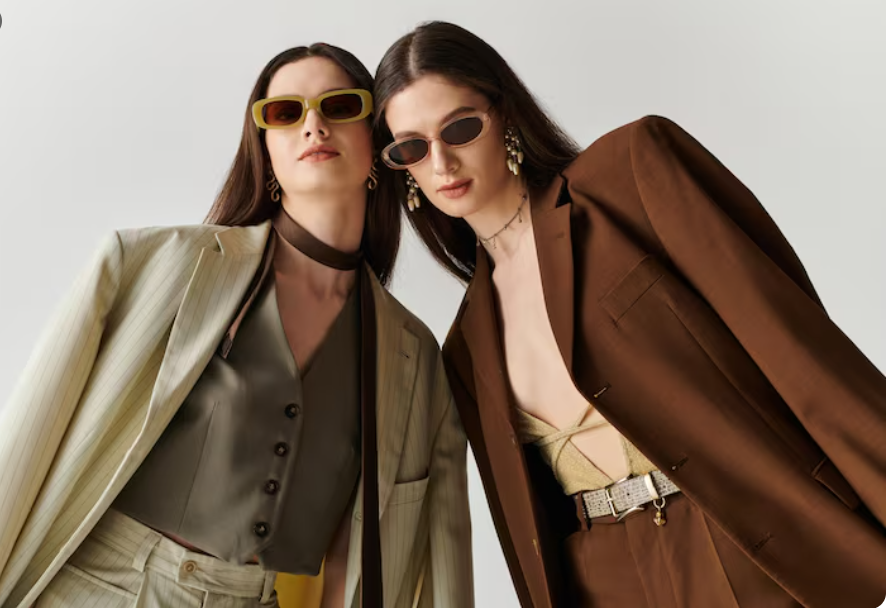
Fashion is much more than clothing; it is a powerful form of self-expression, a reflection of culture, and a dynamic industry that influences how people present themselves to the world. From the clothes we wear to the accessories we choose, fashion shapes identity, communicates personality, and mirrors social trends. Its impact stretches across art, music, politics, and economics, making it an essential part of human society.
Understanding Fashion
Fashion can be defined as the prevailing style or trend in clothing, accessories, and personal appearance at a particular time. It is ever-evolving, influenced by cultural shifts, technological advancements, and individual creativity. While fashion often focuses on aesthetics, it also embodies deeper messages about society, status, and values. Through clothing, people can express rebellion, conformity, sophistication, or innovation, making fashion a versatile tool for communication.
The fashion industry itself is a complex ecosystem that includes designers, manufacturers, retailers, influencers, and consumers. Trends are introduced, adopted, and sometimes discarded in cycles, creating a constantly changing landscape. Fashion’s ability to adapt to social, economic, and technological changes keeps it relevant and exciting.
The Role of Fashion in Society
Fashion plays a crucial role in shaping culture and society. It reflects historical events, social movements, and cultural norms. For example, the flapper dresses of the 1920s symbolized women’s liberation, while punk fashion of the 1970s represented rebellion against mainstream culture. Fashion also serves as a platform for storytelling, allowing individuals and communities to celebrate heritage, identity, and creativity.
Beyond cultural significance, fashion is a major economic driver. The global fashion industry generates billions of dollars annually, providing employment for millions worldwide. From high-end couture to fast fashion, the industry influences production, trade, and consumption patterns. Designers, brands, and retailers constantly innovate to meet consumer demands, driving creativity and technological advancements.
Fashion as Self-Expression
One of the most compelling aspects of fashion is its ability to convey personal identity. Clothing choices communicate mood, lifestyle, and values. People can use fashion to project confidence, professionalism, or individuality. Accessories, color choices, and styling further personalize outfits, allowing for endless combinations and expressions. Fashion empowers individuals to curate their image and create a visual narrative about who they are.
Social media and digital platforms have amplified fashion’s role in self-expression. Platforms like Instagram and TikTok allow users to share personal style, gain inspiration, and influence trends globally. This democratization of fashion has made style more accessible and interactive, connecting communities across borders.
Sustainability and the Future of Fashion
In recent years, sustainability has become a critical focus in fashion. The environmental impact of production, waste, and overconsumption has prompted a shift toward ethical and sustainable practices. Concepts like slow fashion, eco-friendly materials, and circular fashion models are gaining popularity. Consumers are increasingly mindful of their purchasing choices, favoring quality, durability, and ethical production over mass-produced items.
Technology is also shaping the future of fashion. Innovations such as 3D printing, virtual fashion shows, and AI-driven trend forecasting are transforming how fashion is designed, marketed, and consumed. These advancements enable more personalized and sustainable approaches, creating new opportunities for creativity and efficiency.
Challenges in the Fashion Industry
Despite its vibrancy and creativity, the fashion industry faces several challenges. Fast fashion contributes to environmental degradation and unethical labor practices. The pressure to constantly produce new trends can lead to waste and exploitation. Additionally, the industry must address issues of inclusivity, body positivity, and representation to ensure fashion remains relevant and empowering for all consumers.
Fashion brands, designers, and consumers are increasingly recognizing the need for responsible practices. Transparency, ethical sourcing, and inclusive design are becoming essential values in shaping the future of the industry.
Conclusion
Fashion is a powerful language that goes beyond mere clothing. It reflects culture, identity, and creativity while shaping social and economic landscapes. From self-expression to sustainability, fashion influences how people live, communicate, and perceive the world around them. Embracing fashion thoughtfully allows individuals to express themselves, celebrate diversity, and contribute to a more responsible and innovative industry. In every stitch, color, and design, fashion tells a story—a story that evolves with each generation, reflecting the dynamic nature of human society.